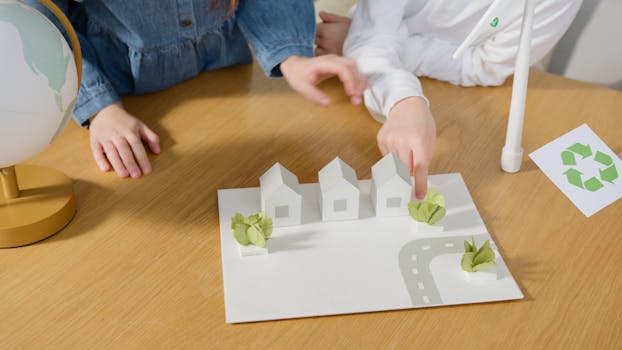
Cultivating Earth-Conscious Thinkers: The Transformative Power of Project-Based Learning for Sustainability Education

Imagine a classroom buzzing not with rote memorization, but with the hum of collaborative problem-solving. Students aren’t just reading about climate change; they’re designing a local urban garden to combat food deserts, or perhaps developing a plan to reduce waste in their school cafeteria. This isn’t a utopian dream; it’s the reality of project-based learning for sustainability education, a pedagogical approach that’s revolutionizing how we equip the next generation with the knowledge, skills, and passion to create a more sustainable future.
For too long, sustainability education has been relegated to a few textbook chapters or isolated lectures. But the complex, interconnected challenges facing our planet demand a more dynamic, hands-on approach. This is precisely where project-based learning shines, transforming passive learners into active agents of change. It’s about fostering deep understanding through authentic engagement, turning abstract concepts into tangible actions.
Why Go Project-Based for a Greener Tomorrow?
The traditional classroom model often struggles to convey the urgency and multifaceted nature of sustainability issues. Project-based learning, on the other hand, offers a powerful antidote. It allows students to grapple with real-world problems, fostering a sense of ownership and a deeper connection to the subject matter.
When students undertake a sustainability project, they’re not just learning about sustainability; they are doing sustainability. This experiential learning is incredibly effective for several key reasons:
Deepens Understanding: By researching, planning, and executing a project, students encounter the complexities and nuances of sustainability issues firsthand. They learn to analyze root causes, consider unintended consequences, and evaluate potential solutions.
Develops Critical Skills: Beyond subject knowledge, these projects cultivate essential 21st-century skills. Think critical thinking, problem-solving, collaboration, communication, and creativity – all vital for tackling sustainability challenges.
Fosters Engagement and Motivation: Authentic, relevant projects capture students’ attention and intrinsic motivation. They see the direct impact of their work, leading to a far more rewarding learning experience than a standardized test ever could.
Promotes Agency and Empowerment: Students aren’t just recipients of information; they become creators of solutions. This sense of agency is crucial for building confident, proactive citizens who believe they can make a difference.
Designing Impactful Sustainability Projects: From Idea to Action
So, how do we translate the principles of project-based learning for sustainability education into effective classroom experiences? It starts with thoughtful design, focusing on real-world problems and student-led inquiry.
#### Identifying Authentic Problems
The most effective sustainability projects are rooted in genuine local or global issues. These could range from:
Waste Reduction Initiatives: Implementing composting programs, designing reusable product prototypes, or conducting waste audits.
Energy Conservation Campaigns: Researching energy usage, proposing efficiency improvements for school buildings, or educating the community on renewable energy options.
Biodiversity and Conservation Efforts: Creating pollinator gardens, restoring local habitats, or developing educational materials on endangered species.
Sustainable Food Systems: Designing school gardens, exploring local food sourcing, or researching the impact of food choices on the environment.
Water Resource Management: Investigating local water quality, designing rainwater harvesting systems, or educating peers on water conservation.
The Core Components of a Successful Project
A well-structured project-based learning experience for sustainability education typically includes several key elements:
- A Driving Question: This is the central inquiry that guides the entire project. It should be open-ended, challenging, and relevant to the students’ lives. For example, “How can our school community reduce its carbon footprint by 20% in one year?”
- Sustained Inquiry: Students engage in a rigorous and extended process of asking questions, finding resources, and applying information. This isn’t a quick research paper; it’s deep diving.
- Authenticity: The project connects to the real world. This could involve working with community partners, addressing actual problems, or producing tangible outcomes that have real-world impact.
- Student Voice and Choice: While guided by learning objectives, students should have agency in determining how they investigate the problem, what solutions they propose, and how they present their findings.
- Reflection: Regular reflection is crucial. Students need opportunities to think about what they are learning, how they are learning it, and how their understanding is evolving.
- Critique and Revision: Students learn to give and receive constructive feedback, using it to improve their work. This mirrors professional practices in many fields.
- Public Presentation: Students share their work with an audience beyond the classroom. This could be a presentation to school administrators, community members, or even through digital platforms.
Bridging the Gap: From Theory to Practice
One of the most rewarding aspects of project-based learning for sustainability education is witnessing students move from theoretical understanding to practical application. I’ve often seen students who were initially disengaged suddenly come alive when given the opportunity to tackle a problem they care about. For instance, a group of middle schoolers who researched the impact of single-use plastics on local waterways didn’t just write a report; they designed and marketed reusable tote bags to raise funds for a local clean-up initiative. The ripple effect of such engagement is profound.
Furthermore, it’s important to remember that successful sustainability projects don’t always require massive budgets or external resources. Often, the most innovative solutions come from creative thinking within existing constraints. Encouraging students to explore low-cost, high-impact interventions can be incredibly empowering.
Navigating Challenges and Ensuring Success
While the benefits are clear, implementing project-based learning for sustainability education isn’t without its challenges. Time constraints, curriculum pressures, and the need for teacher professional development are common hurdles. However, these can be overcome with strategic planning and a commitment to the pedagogical approach.
Integration, Not Addition: Sustainability concepts can be woven into existing subjects like science, social studies, and even math, rather than being treated as an add-on.
Phased Implementation: Start with smaller, more manageable projects before tackling larger, more complex ones.
Collaborative Planning: Teachers can collaborate to share resources, ideas, and best practices for project design and implementation.
* Leveraging Community Resources: Local environmental organizations, businesses, and experts can provide invaluable support, mentorship, and real-world context for student projects.
Empowering the Next Generation of Earth Stewards
Ultimately, the goal of project-based learning for sustainability education is not just to impart knowledge but to cultivate a mindset. It’s about fostering individuals who are informed, critical, and empowered to act as stewards of our planet. These projects equip students with the tools to not only understand the challenges of sustainability but to actively contribute to creating a more resilient, equitable, and thriving world.
Wrapping Up: A Call to Action for a Sustainable Future
Embracing project-based learning for sustainability education is more than just an educational trend; it’s an investment in our collective future. It’s about moving beyond passive consumption of information to active creation of solutions. By empowering students to tackle real-world environmental challenges through inquiry, collaboration, and tangible action, we are cultivating a generation of informed, engaged, and capable citizens ready to lead the charge towards a truly sustainable world. Let’s champion these transformative learning experiences and watch our students become the architects of a brighter tomorrow.





No Comment